Two very different landfills, one goal: better gas recovery.
Overview
Landfills are unique in the way they have been designed, maintained and operated, which impacts the way they behave.
Waste composition, liquids, settlement, and infrastructure all influence how landfill gas moves through the wellfield. For operators, that means improving gas recovery is often less about installing new infrastructure and more about understanding how the wellfield is behaving underground.
Recology encountered this challenge at two California landfills: Recology Hay Road Landfill in Solano County and Recology Ostrom Road Landfill in Yuba County.
Both sites produce landfill gas that is used to generate electricity and will eventually produce renewable natural gas (RNG). But operators suspected there was more gas available than the wellfields were capturing.
To improve visibility into wellfield performance, Recology deployed LoCI Controls’ real-time monitoring and control system.
Results Snapshot
Across 2 Recology landfill gas projects in 2025, LoCI helped achieve...
211,000
MMBTu additional landfill gas recovered
4,002
MTincremental methane captured
95,800
MT CO₂e
Emissions avoided
Two Sites, Two Different Challenges
Recology Hay
Road Landfill
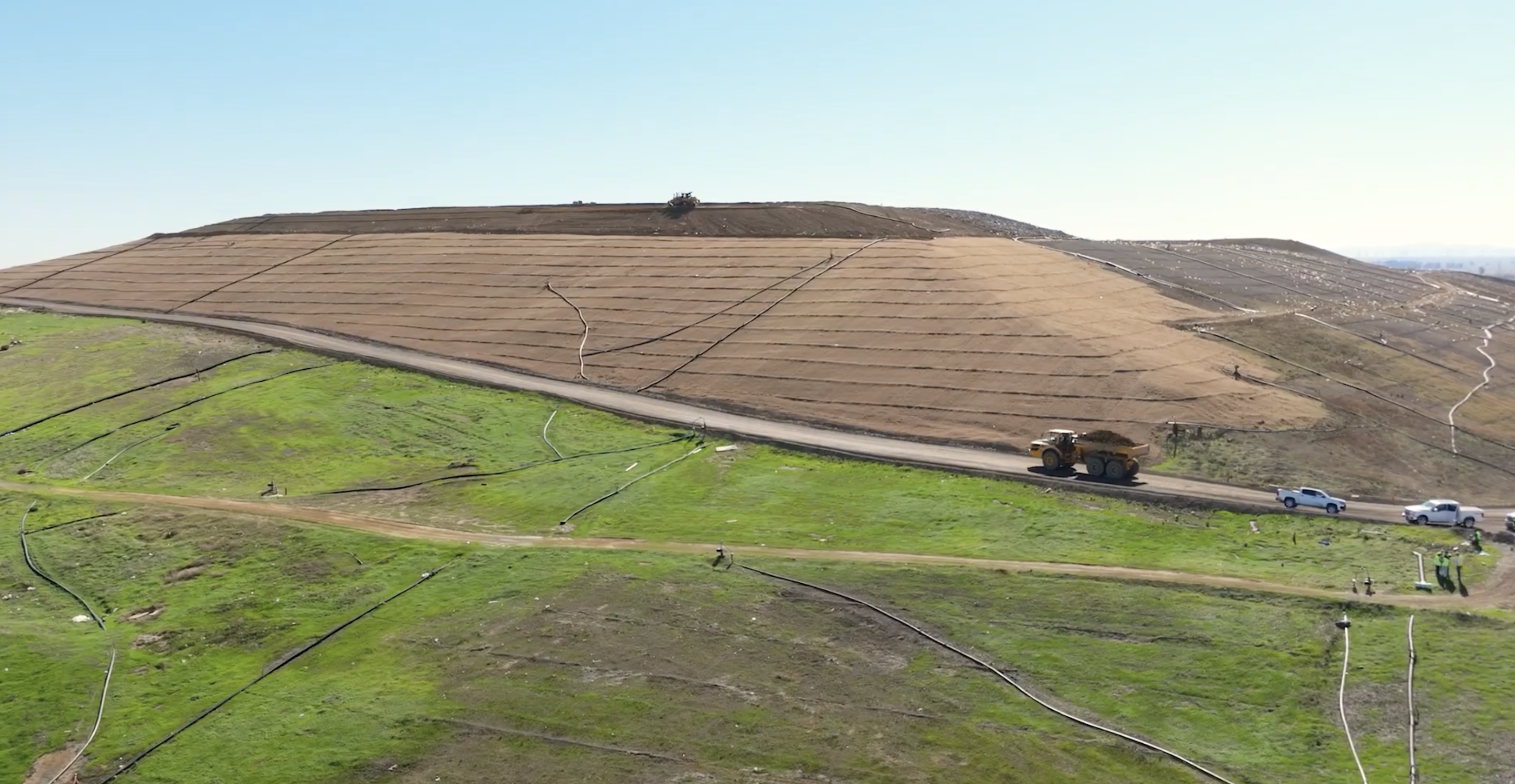
Recology Hay Road landfill is a mature landfill that began operating in 1964. Over time, its wellfield had been tuned manually to meet compliance requirements, gas composition and avoid pulling oxygen into the system.
While this approach minimized risk and followed current best practices, it also meant that gas extraction remained limited.
As part of its commitment to resource recovery, Recology saw an opportunity to increase gas recovery and make better use of this resource.
Recology Ostrom
Road Landfill
At Recology Ostrom Road landfill, the challenge was different.
Gas collection had plateaued even though methane quality suggested more gas should be available. Many collectors were producing high methane concentrations but relatively low flow, indicating that gas was not moving efficiently through parts of the wellfield.
Operators needed better insight into how the system was behaving to determine where improvements could be made.
We knew the gas was there. The challenge was understanding how it was moving through the landfill.
Once we had real-time visibility into the wellfield, it became easier to see where adjustments could help us achieve our goals.
William Blanton
Operations Manager, G2 Energy
What Changed with LoCI Controls
Although the operational conditions at the two landfills were very different, both sites experienced measureable improvements in landfill gas recovery.
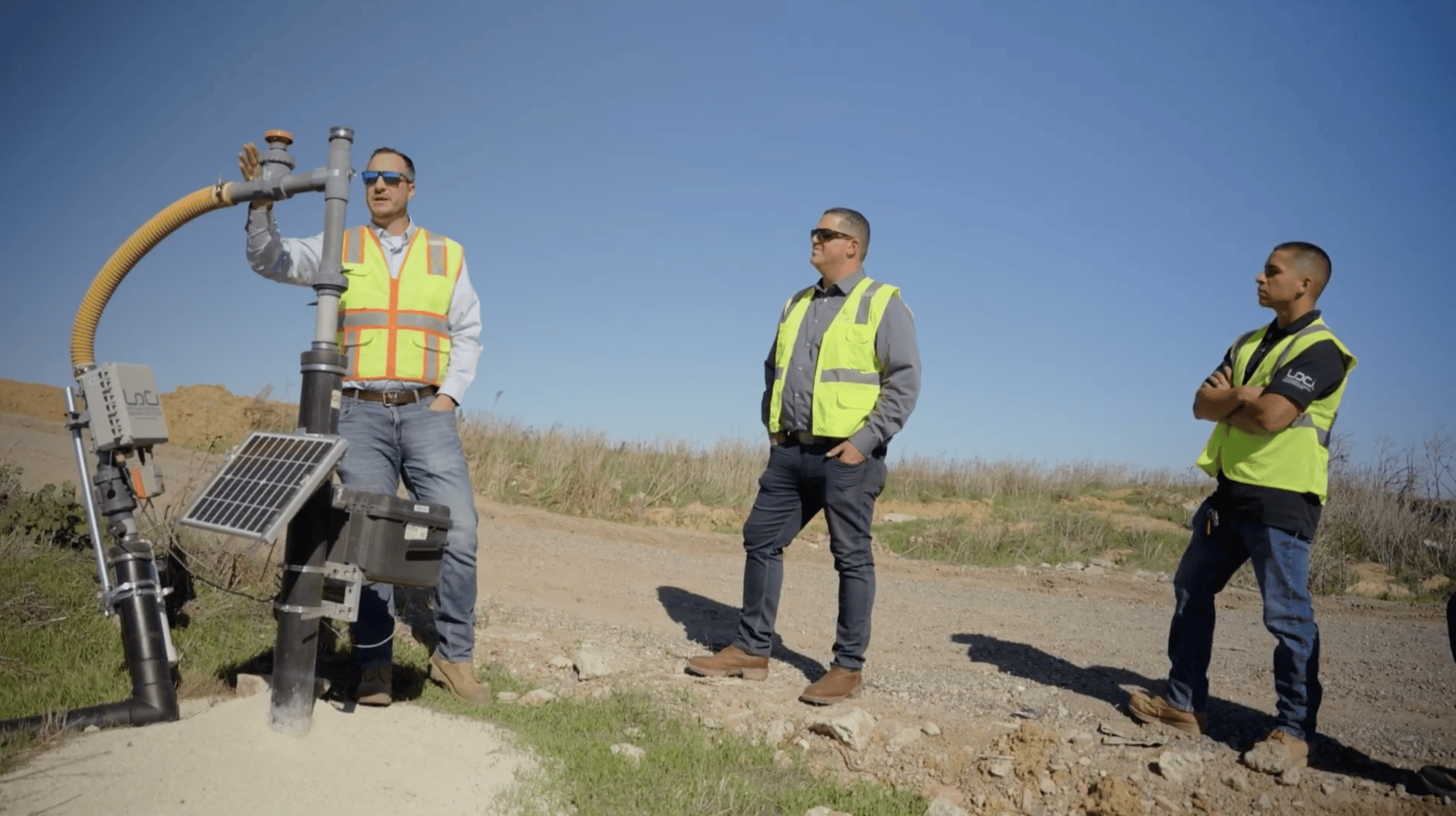
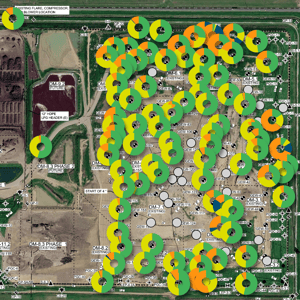
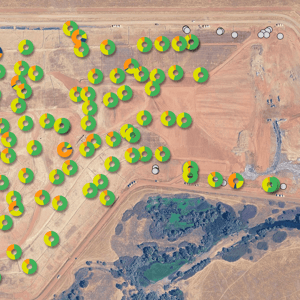
LoCI’s WellWatcher platform provided continuous monitoring of key wellfield indicators including methane and oxygen levels, temperature, pressures and flow conditions. Using real-time data and automated valve control, the wellfield was tuned to optimize methane recovery and provided insights into system function.
Now equipped with a real-time view, Recology and G2 could pinpoint underperforming wells, rebalance extraction across the field, and achieve higher, more consistent gas recovery.
Recology Hay Road Landfill
After the transition to LoCI’s system, operators were able to safely increase extraction and immediately unlock additional gas from the existing wellfield.
The site ultimately captured 2,184 metric tons of incremental methane through 2025 compared to its baseline performance.
The increase in gas recovery translated directly into additional renewable electricity and improved environmental performance.
“Landfills are dynamic systems, and small adjustments can have a big impact on gas recovery,” said Joe Bendorf of Recology. “The data LoCI provides gave our operators the confidence to safely increase extraction and unlock more gas from the wellfield.”
Recology Ostrom Road Landfill
At Recology Ostrom Road landfill, improved wellfield visibility helped the team identify opportunities to improve gas flow across the system.
Through real-time analysis of the wellfield with LoCI, (including dewatering wells and collector well density) the team developed engineering approaches to improve gas movement and overall extraction efficiency.
Following wellfield optimization and expansion, the landfill experienced a substantial increase in landfill gas.
Through 2025, the site captured 1,818 metric tons of incremental methane beyond baseline performance.
For the electricity facility, the increased gas supply improved operational stability and energy production.
“When landfill gas recovery improves, it has a direct impact on the energy side of the project,” Blanton noted. “The more consistent the gas supply, the more renewable natural gas we can produce.”